
Access Wealth In Your Home, Without Selling
Release home equity for cash, and avoid downsizing.
If you’re 55 or over and looking to access the equity in your home, downsizing isn’t your only option. A Reverse Mortgage can help you unlock home equity without selling, moving, or making regular loan repayments.
At Seniors First, we help older Australians understand whether a Reverse Mortgage is the right way to access funds while staying in the home they love.
ASIC Regulated
20+ Years Experience
No Obligation

“We stayed in our home.”
Margaret & John, QLD
As featured in





Reverse Mortgage: The 'Downsizing Alternative'
A downsizing alternative is a way to access some of the wealth built up in your home without selling the property. For eligible homeowners, a Reverse Mortgage allows you to borrow against the equity in your home while continuing to live there.
You remain the owner of your home. There are no regular loan repayments required. The loan is usually repaid later, when you sell the home, move into aged care, or the property is eventually sold.
This can give you access to funds now, while giving you more time and flexibility before making a major decision about your home.
Keep your home
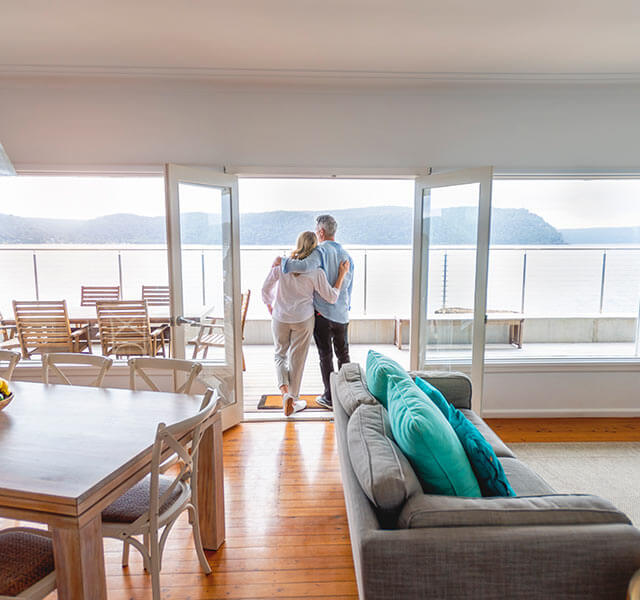
You remain the owner and continue living where you love.
No regular repayments
Interest is added to the loan and repaid later.
No Negative Equity
You'll never owe more than your home is worth.
Watch: informative explainer video
How the Downsizing Alternative works.
A short video explaining how a Reverse Mortgage lets you access home equity without selling — and what to consider before you decide.
Why consider a Reverse Mortgage instead of downsizing?
Downsizing can make sense for some people. But it is also a big financial, practical, and emotional decision. Here’s a side-by-side look:
Option A
Selling & Downsizing
Option B
Reverse Mortgage
For many people, the idea of downsizing sounds simple at first — but becomes much harder once the real costs and disruption are considered. A Reverse Mortgage may help you avoid rushing that decision.
It can provide access to funds while allowing you to stay in the home you know and love.
How Can a Reverse Mortgage Help?
A Reverse Mortgage can be used in several different ways, depending on your needs and goals. You may choose to receive the funds as:
A lump sum
One-off payment — useful for home repairs, paying out debts, a new vehicle, or aged care bonds.
Regular monthly payments
Monthly payments to supplement your pension or other retirement income.
A cash reserve facility
A standby facility — only draw what you need, only pay interest on what you use.
Or a combination, depending on lender options and eligibility.
The money may be used for a wide range of retirement needs, such as:
For many people, the idea of downsizing sounds simple at first — but becomes much harder once the real costs and disruption are considered.
A reverse mortgage may help you avoid rushing that decision.
It can provide access to funds while allowing you to stay in the home you know and love.
Who Is This For?
This option may suit homeowners who:

A Reverse Mortgage is not right for everyone.
It can affect the equity left in your home over time, and it may affect future choices, including aged care planning, estate planning, and your ability to leave an inheritance.
That’s why Seniors First focuses on education, careful assessment, and helping you understand both the benefits and the risks.
When Might a Reverse Mortgage Be a Better Option Than Downsizing?
You Need Stop-Gap Cash Before Selling Later
You may already know that you want to downsize eventually — just not right now.
Perhaps you want to wait a few years, finish renovations, support a partner through health issues, or simply take more time to decide where you want to live next.
A Reverse Mortgage may provide short to medium-term cash flow while allowing you to stay put until the timing feels right.
This can be helpful if you need money now but do not want to be forced into selling before you’re ready.
Property Values Have Fallen and You Don’t Want to Sell at the Wrong Time
In some areas, homeowners may feel that property prices are softer than expected.
If you believe your home is worth less today than it might be in future, selling now could feel like locking in a disappointing result.
A Reverse Mortgage may allow you to access some equity without immediately selling the home.
This may give you time to wait for market conditions to improve — although property values can rise or fall, and there are no guarantees.
You Love Your Home and Don’t Want to Move
For many older Australians, the family home is more than a financial asset.
It may be where children were raised, where memories were made, and where neighbours, doctors, shops, friends, and routines are familiar.
Moving can mean losing more than space.
It can mean losing comfort, independence, and community.
A Reverse Mortgage may help you stay in the home you love while using some of its value to improve your lifestyle or meet important expenses.

What our customers say
Rated 4.9 stars on Google with over 560 reviews. Here's what some of our customers have to say about their experience with Seniors First reverse mortgage brokers.

Anyone thinking of a Reverse Mortgage to use Seema from Seniors First would find it advantageous to do.


Thank you for all the help that you provided in this matter.
Your service was exemplary. You guided us in what could be a complicated and stressful process at our stage of life. Your assistance relieved us of those pressures.
We would recommend your service to anybody.
Thank you
Bruce & Judith






Thanks guys.
Bobby Yarbrough

What Are the Safeguards?
Reverse Mortgages in Australia are regulated consumer credit products.
Important protections include the No Negative Equity Guarantee, which means you cannot owe more than the market value of your home when it is sold, provided you meet your loan obligations.

You remain responsible for things like:
Maintaining the property
Paying council rates
Keeping the home insured
Meeting the terms of the loan
Because interest is added to the loan over time, the amount owing will usually grow. This means there may be less equity available later.
A Reverse Mortgage should be considered carefully, especially if you plan to sell in future, move into aged care, or leave money to your estate.
Seniors First can help explain these issues clearly, so you understand what may happen now and in the years ahead.
Is a Reverse Mortgage Better Than Downsizing?
Not always.
Downsizing may still be the right decision if:
But if you are only considering downsizing because you need access to cash, a reverse mortgage may be worth exploring first.
It may allow you to stay where you are, access funds, and delay or avoid selling your home.
The key is understanding your options before making a decision.
Frequently asked questions
Get answers to common questions about reverse mortgages in Australia. Can't find what you're looking for? Contact us for a free consultation.
Yes, some homeowners use a reverse mortgage as an alternative to downsizing. It allows eligible older Australians to access part of their home equity while continuing to live in the property.
Yes. With a reverse mortgage, you remain the owner of your home. The lender does not take ownership of the property.
No regular repayments are usually required. Interest is added to the loan balance and the loan is generally repaid when the home is sold, you move into aged care, or the last borrower passes away.
Yes. You can sell the home later if you choose to. The reverse mortgage would usually be repaid from the sale proceeds.
A reverse mortgage may be used as a short to medium-term option, but costs and interest still need to be considered carefully. It is important to understand how the loan balance may grow over time.
It may, depending on how the funds are taken and used. Seniors First can help explain the general issues, but you should seek advice from Services Australia or a qualified financial adviser about your personal pension position.
Reverse mortgages are regulated in Australia and include important protections such as the No Negative Equity Guarantee. However, they are still a loan and should be carefully considered before proceeding.
Our partners


Speak With a Reverse Mortgage Broker
Before you sell the home you love, it may be worth finding out whether there is another way. Seniors First has been helping older Australians understand reverse mortgages for over 20 years.
Our role is to explain your options clearly, compare suitable lenders, and help you decide whether a reverse mortgage may be appropriate for your situation.
There is no pressure to proceed. Just clear information, practical guidance, and support from people who understand later-life lending.
Book a Free Consultation
Speak with a Seniors First Reverse Mortgage specialist today and find out whether you could access home equity without selling your home.
Industry Awards & Recognition
Senior's First has developed a reputation as an award-winning Reverse Mortgage broker, and a trusted name among public policy organisations, the aged care industry, senior’s groups, older borrowers and their families.


Offices
Suite 68, 89-97 Jones St Ultimo NSW 2007
Level 8, 90 Collins Street Melbourne VIC 3000
Level 38/71 Eagle Street Brisbane QLD 4000
Legal
Credit Licence 388952
FBAA Member 104356
©2026 - Seniors First Pty Ltd | Website Design by WebBuzz → 