

Electric vehicles are moving into the mainstream in Australia, and in 2026 they are getting more attention from older Australians than ever before. A big reason is the fuel shock.
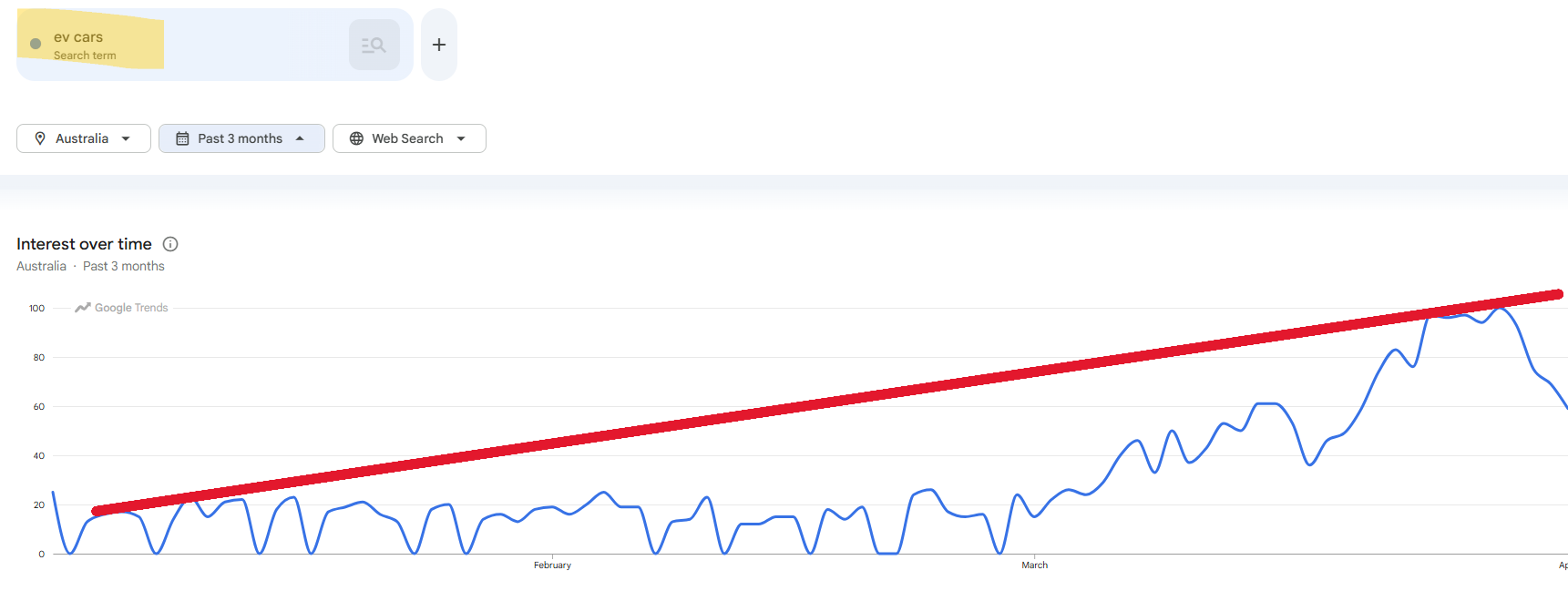
Fuel shock causes 600% increase in Google searches for EV cars
Recent oil supply disruption and rising petrol prices have pushed many households to rethink the cost of running a car. In Australia, that has helped drive a noticeable lift in interest in EVs, with media and industry reporting a clear surge in enquiries as fuel prices climbed. Reuters also reported that the current oil crisis is giving electric vehicles a broader long-term boost across countries including Australia. Here is a chart of Google search trends for EV’s in 2026:
For Australians over 55, the appeal is easy to understand. A good EV can offer lower day-to-day running costs, a smoother and quieter drive, less time spent at service stations, and modern safety technology that can make driving easier and more reassuring. For many retirees and pre-retirees, it is not about having the latest technology for its own sake. It is about comfort, practicality and reducing financial uncertainty.
The best EV for an older Australian is not necessarily the fastest or most fashionable model. It is the one that is easiest to live with. That usually means comfortable seating, easy access, good visibility, simple controls, decent boot space, reassuring safety features and a price that makes sense for your stage of life.
What older Australians should look for in an Electric Car?
When choosing an EV later in life, comfort and practicality matter more than headline performance numbers.
Many older drivers prefer a slightly higher seating position because it can make getting in and out easier. Clear controls, a comfortable ride and a familiar SUV-style body can also matter more than acceleration. Range is important too, but not everyone needs a long-range EV. If most of your driving is local, shopping trips, appointments, family visits and occasional day trips, a smaller EV may be all you need.
Budget is another key factor. While some EVs still sit in the premium category, there are now more affordable options in Australia than there were a few years ago. Hyundai advertises the Inster from $35,990 drive-away, while BYD’s configurator shows the Dolphin from $33,276.52 drive-away in NSW, demonstrating how entry pricing has become more accessible.

1. Hyundai Inster
The Hyundai Inster is one of the most affordable EVs available in Australia and may be especially appealing to seniors who want a compact, easy-to-drive vehicle for local and suburban use. Hyundai advertises the Inster from $35,990 drive-away. Its upright small-SUV styling may also make it easier for some drivers to enter and exit than a lower hatchback.
The Inster’s strengths are its affordability, compact size and simple everyday practicality. It is likely to suit singles or couples who want to reduce fuel costs and are mainly driving shorter distances. The trade-off is that it is still a smaller vehicle, so it may not feel as relaxed on frequent longer country drives or if you often carry a lot of cargo.
2. BYD Dolphin
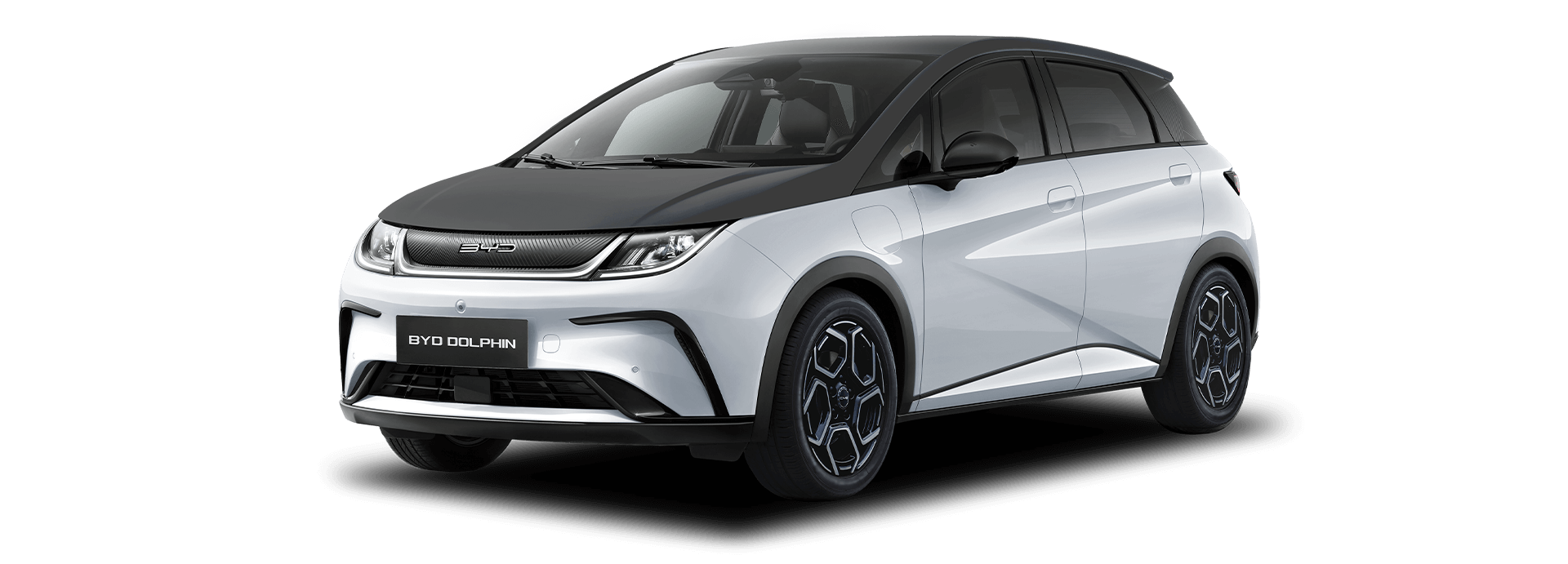
The BYD Dolphin has become one of the standout value EVs on the Australian market. BYD’s Australian site highlights up to 427km WLTP range for the Premium model, and the configurator shows a drive-away price in NSW from $33,276.52. BYD also emphasises its quiet ride and practical 345L boot space.
For older Australians, the Dolphin makes sense as a value-focused all-rounder. It is well suited to city and suburban driving and offers strong value for money. The main drawback is that it sits lower than an SUV, which may not suit everyone, especially buyers who prefer a more upright driving position.

3. MG4
The MG4 remains an appealing option for buyers who want a balance of value and usable range. It has built a strong presence in Australia as an affordable EV alternative to more expensive mainstream brands.
For over-55s, the MG4’s main attraction is that it delivers competitive EV ownership without pushing too far into premium pricing. It can work well as a practical all-round household vehicle. On the other hand, it is another lower-set hatch-style car, so buyers focused on easy entry and exit may still prefer a small SUV.
4. Hyundai Kona Electric
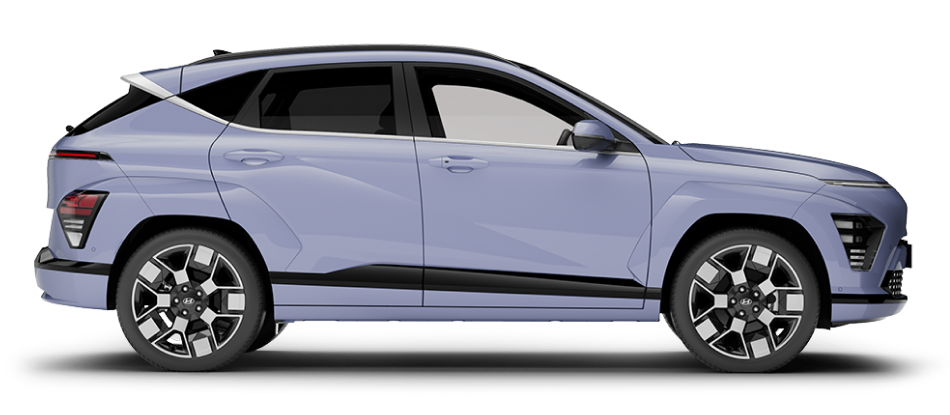
The Hyundai Kona Electric is one of the strongest choices for older Australians who want a more familiar small SUV shape. Hyundai has advertised the Kona Electric Standard Range from $45,990 drive-away. That higher seating position is a meaningful advantage for many seniors, because it can improve comfort, visibility and ease of access.
The Kona Electric suits people who want something mainstream, practical and comfortable without moving into a large or expensive SUV. It is not the cheapest EV on the market, but it may hit the sweet spot for retirees who want convenience and confidence rather than the lowest possible entry price.
5. Kia EV3
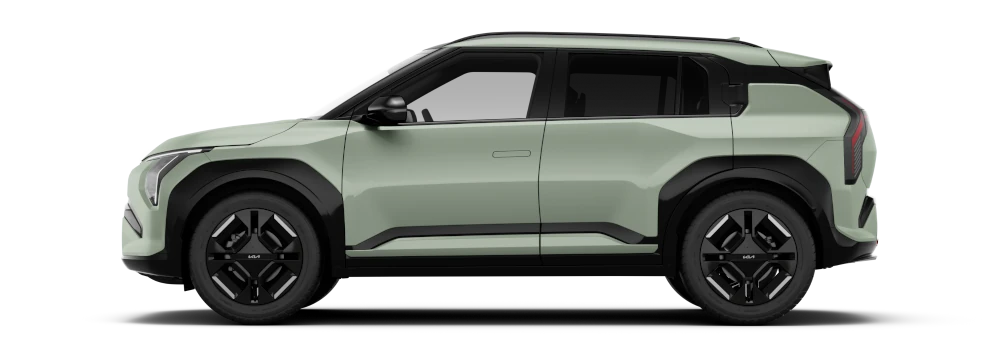
The Kia EV3 is an attractive option for seniors wanting a modern small SUV with current technology and practical dimensions. Kia offers the EV3 Air SR from $46,990 drive-away, positioning it as a relatively accessible step into a more contemporary SUV-style EV.
For many older Australians, the EV3 is appealing because it combines the easier access of an SUV with a fresh design and a manageable footprint. The main consideration is price. While it offers a lot, it is still a sizeable purchase for households trying to preserve retirement savings.
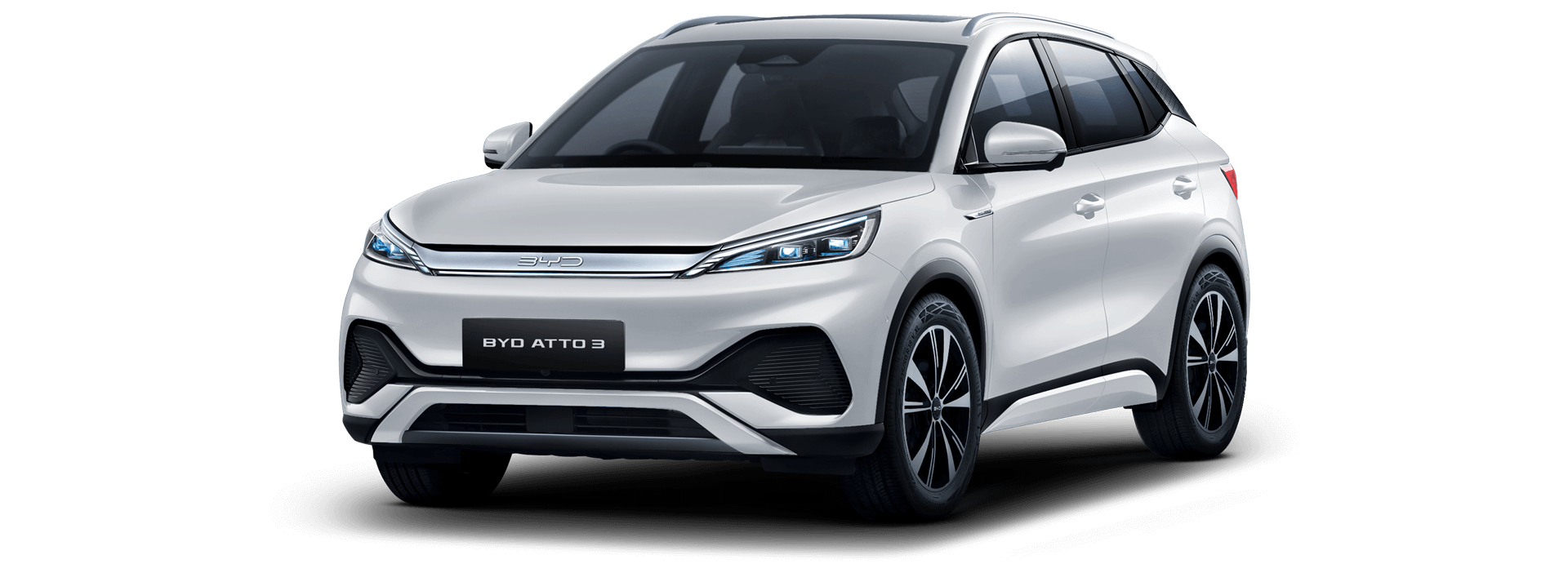
6. BYD Atto 3
The BYD Atto 3 continues to be a strong option for seniors who want a compact SUV rather than a hatch. It sits between the cheaper BYD Dolphin and more expensive premium EVs, making it a reasonable middle-ground choice.
Its biggest strengths for mature drivers are the seating position, practical size and moderate pricing relative to what it offers. Some buyers may find the interior styling a little different from traditional vehicles, but as a comfort-and-value SUV option it deserves to be on the shortlist.

7. Tesla Model Y
The Tesla Model Y remains one of the best-known EVs in Australia and is a strong choice for older Australians who want more space, long-range capability and a higher-end ownership experience. Tesla’s Australian site continues to promote the Model Y locally, and the broader product positioning keeps it in the conversation for buyers prepared to spend more.
For seniors, the main benefits are cabin space, SUV practicality and strong perceived safety and technology. The main drawback is cost. It is a much bigger financial commitment than the budget end of the EV market, and its very screen-based cabin may not appeal to everyone.
Best EV choices by budget
If budget is the main filter, the shortlist becomes a little easier.
For buyers wanting to stay under about $40,000, the Hyundai Inster and BYD Dolphin are two of the clearest options, with official advertised pricing around the mid-$30,000 mark drive-away.
For buyers comfortable in the $40,000 to $50,000 range, the Hyundai Kona Electric, Kia EV3 and BYD Atto 3 become more appealing because they combine EV efficiency with the easier access and practicality of small SUVs.
For buyers happy to spend more for extra room and range, the Tesla Model Y sits in the upper bracket and may suit couples who want one main household car for both everyday use and longer trips.
How a reverse mortgage could help fund an EV purchase
For some older Australians, the biggest issue is not whether an EV makes sense. It is how to pay for it without putting pressure on savings, superannuation or monthly cash flow.
That is where home equity may come into the conversation.
Seniors First has a dedicated page on equity release for a new car, which explains how eligible homeowners may be able to use a reverse mortgage to fund a vehicle purchase. For older Australians who own their home and want a safer, more efficient car without taking on required monthly repayments, that can be worth exploring.
A reverse mortgage will not suit everyone. It is a loan secured against your home, and interest compounds over time. But for some homeowners, it may be a practical way to fund a large purchase while preserving cash savings or reducing the need to draw on super too quickly.
For readers who want to understand the concept in more detail, this article should naturally link to what is a reverse mortgage, how a reverse mortgage works and the reverse mortgage calculator. Those pages can help readers understand how home equity release works, what it may cost over time, and whether it may be appropriate for their situation.
Final thoughts
The fuel shock of 2026 has made electric vehicles more relevant for many Australian households. With petrol prices under pressure and interest in EVs rising, older Australians are increasingly looking at electric cars not as a novelty, but as a sensible lifestyle and budgeting decision.
For seniors, the best EV is usually the one that makes daily life easier. That may be a smaller, lower-cost model like the Hyundai Inster or BYD Dolphin, or it may be a small SUV such as the Hyundai Kona Electric, Kia EV3 or BYD Atto 3. The right answer depends on your driving habits, comfort preferences and budget.
And for homeowners aged 55 and over, there may also be a funding question worth asking: if a newer, safer and cheaper-to-run vehicle would improve your lifestyle, could some of your home equity help make it possible?
That is where a conversation with Seniors First may help. Readers ready to explore the next step can be directed to the reverse mortgage hub, the new car equity release page or the contact page to learn more.